redo Jump to...
print Print...
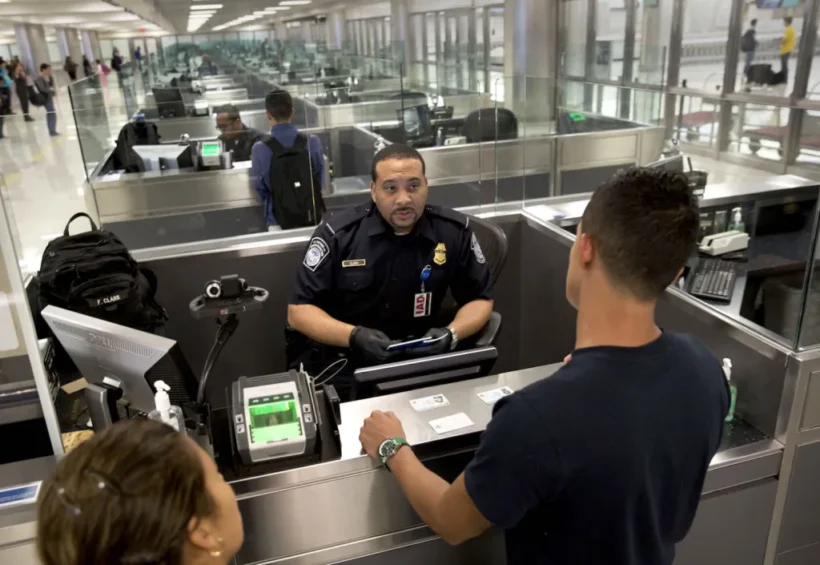
(by Lily Dallow, KTLA) — Travelers arriving through major gateways like LAX (Los Angeles airport) could soon face significantly expanded digital screening under a new federal proposal that would require five years of social media history from millions of foreign visitors.
U.S. Customs and Border Protection has filed a draft rule that would make social media disclosure mandatory for citizens of 42 Visa Waiver Program countries, including the United Kingdom, France, Germany and South Korea. These travelers currently use the Electronic System for Travel Authorization, or ESTA, which allows most tourists to visit the United States for up to 90 days without a traditional visa after paying a $40 fee and providing basic contact information.
Under the proposal, according to the New York Times and federal documents, ESTA applicants would have to list all social media handles (usernames) used over the past five years, along with other expanded biographical details.
CBP says the move is required under a 2025 executive order aimed at identifying national security and public safety threats before travelers ever board a U.S.-bound flight. Officers would be looking for potential red flags such as ties to violent extremism, fraud or past threats of violence.
The agency would implement the changes only after a 60-day public comment period and a separate review by the White House Office of Management and Budget. If approved, CBP could begin phasing in the requirements over the following weeks and months.
The proposal arrives as the State Department is already set to broaden online presence reviews for visa applicants. Starting Dec. 15, all H-1B skilled worker visa applicants and their H-4 dependents must make their social media accounts public for screening — a process that already applies to many student and exchange visitor categories.
Travel industry groups warn the new ESTA requirements could lead to longer wait times for authorizations and more travelers flagged for additional scrutiny, especially ahead of major international events like the 2026 World Cup. Civil liberties advocates say the plan risks sweeping up vast amounts of data from innocent travelers and may chill online speech.
At LAX’s Tom Bradley International Terminal on Wednesday morning, some travelers told KTLA’s Omar Lewis they supported the added vetting despite privacy concerns, saying the measures may help enhance safety.
For now, CBP says nothing changes for visitors who already hold valid ESTA approvals or valid U.S. visas. The agency will review public comments before deciding whether to finalize, modify or withdraw the proposal.
Alberto Mendez contributed to this report. Published at KTLA5 Nexstar Media on Dec. 10. Reprinted here for educational purposes only. May not be reproduced without permission.
Questions
NOTE TO STUDENTS: Find answers to the questions in the article AND in the video news report under “Resources.”
1. a) Under the proposed rules, travelers from which countries would be required to show 5 years of social media history?
b) What is the Visa Waiver Program?
2. What is ESTA?
3. Why is the CBP adding the new requirements?
4. a) Define red flag.
b) What red flags will CBP officers be looking for in travelers’ applications?
5. When will the CBP implement the proposed changes?
6. What other foreign visitors will be required to make their social media accounts public for screening?
7. Social media screening has already begun being implemented for those here on student visas.
The KTLA reporter says civil liberties advocates say “blanket social media surveillance risks chilling speech and sweeping in huge amounts of data about innocent people (travelers from other countries) and their contacts.”
Do you think asking foreign visitors for five years of social media history makes sense when screening visitors for potential ties to violent extremism, fraud or past threats of violence? Explain your answer.
Explain your answer.
Background
The Visa Waiver Program (VWP), administered by the Department of Homeland Security (DHS) in consultation with the State Department, permits citizens of 42 countries to travel to the United States for business or tourism for stays of up to 90 days without a visa. In return, those 42 countries must permit U.S. citizens and nationals to travel to their countries for a similar length of time without a visa for business or tourism purposes.
Electronic System for Travel Authorization (ESTA) is an automated system that determines the eligibility of visitors to travel to the United States under the Visa Waiver Program (VWP). Authorization via ESTA does not determine whether a traveler is admissible to the United States. U.S. Customs and Border Protection officers determine admissibility upon travelers’ arrival. The ESTA application collects biographic information and answers to VWP eligibility questions. ESTA applications may be submitted at any time prior to travel, though it is recommended that travelers apply as soon as they begin preparing travel plans or prior to purchasing airline tickets. (from cbp.gov)
Daily “Answers” emails are provided for Daily News Articles, Tuesday’s World Events and Friday’s News Quiz.