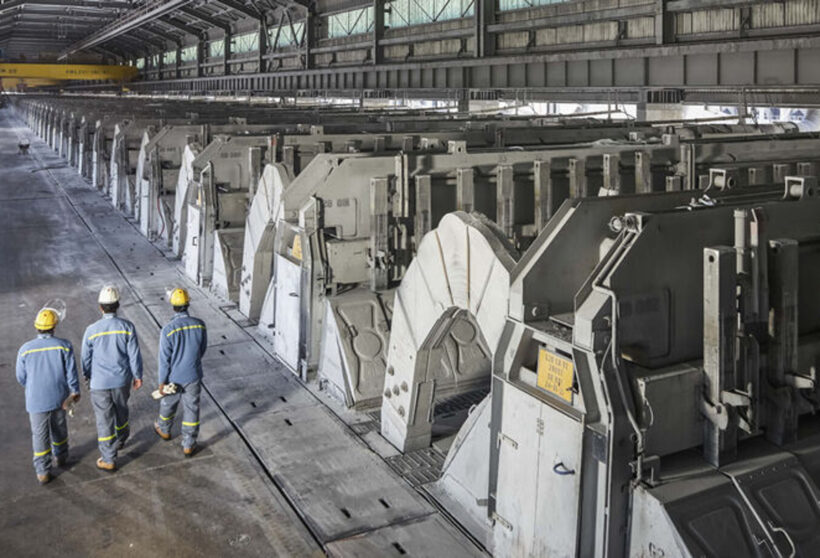
Emirates Global Aluminium plans to construct a $4 billion aluminum smelter in Oklahoma
redo Jump to...
print Print...
Illinois-based Century Aluminum Co. has entered into a joint development agreement with Emirates Global Aluminium (EGA) to construct the “first new primary aluminum production plant in the United States since 1980,” Century said in a statement on Jan. 26.
Primary aluminum production involves smelting alumina to produce new aluminum metal. This differs from secondary production, in which existing aluminum is recycled.
“The new plant, to be built in Inola, Oklahoma, as previously announced by EGA, is expected to produce 750,000 tonnes of aluminum per year, larger than previously envisioned and more than doubling current U.S. production. The Inola plant will create 1,000 permanent direct jobs at the facility and 4,000 jobs during construction,” Century stated.
“About 85 percent of the aluminum needs of American industries are currently met by imports. The new smelter will expand the domestic supply of this critical mineral and grow the American aluminum workforce, revitalizing U.S. aluminum expertise and know-how.”
According to data from the International Aluminum Institute, China was the largest producer of primary aluminum in 2025, accounting for an estimated 44.2 million metric tons out of the 73.78 million metric tons of global output.
…In March 2025, the Trump administration’s 25 percent tariffs on steel and aluminum imports came into effect. In June, the tariff rate doubled to 50 percent.
At the time, the Aluminum Association, a group representing the U.S. aluminum industry, had struck a cautious tone on the tariffs, saying they would neither increase domestic aluminum output nor support mid- and downstream industries.
In a post on June 5, 2025, the Council on Foreign Relations warned that if aluminum and steel prices were to rise, it could negatively affect industries such as automotive, appliances, electrical, oil and gas, and machinery.
President Donald Trump justified the tariffs in February 2025, a month before the 25 percent tariff took effect, saying they were essential to bolster domestic production, bring jobs back to the United States, and stop other nations from taking advantage of the United States.
“Our nation requires steel and aluminum to be made in America, not in foreign lands,” he said at the time. “This is a big deal, the beginning of making America rich again.”
…
Construction of the Inola plant is set to begin by the end of the year, and production is scheduled to kick off by the end of the decade (2030), Century stated.
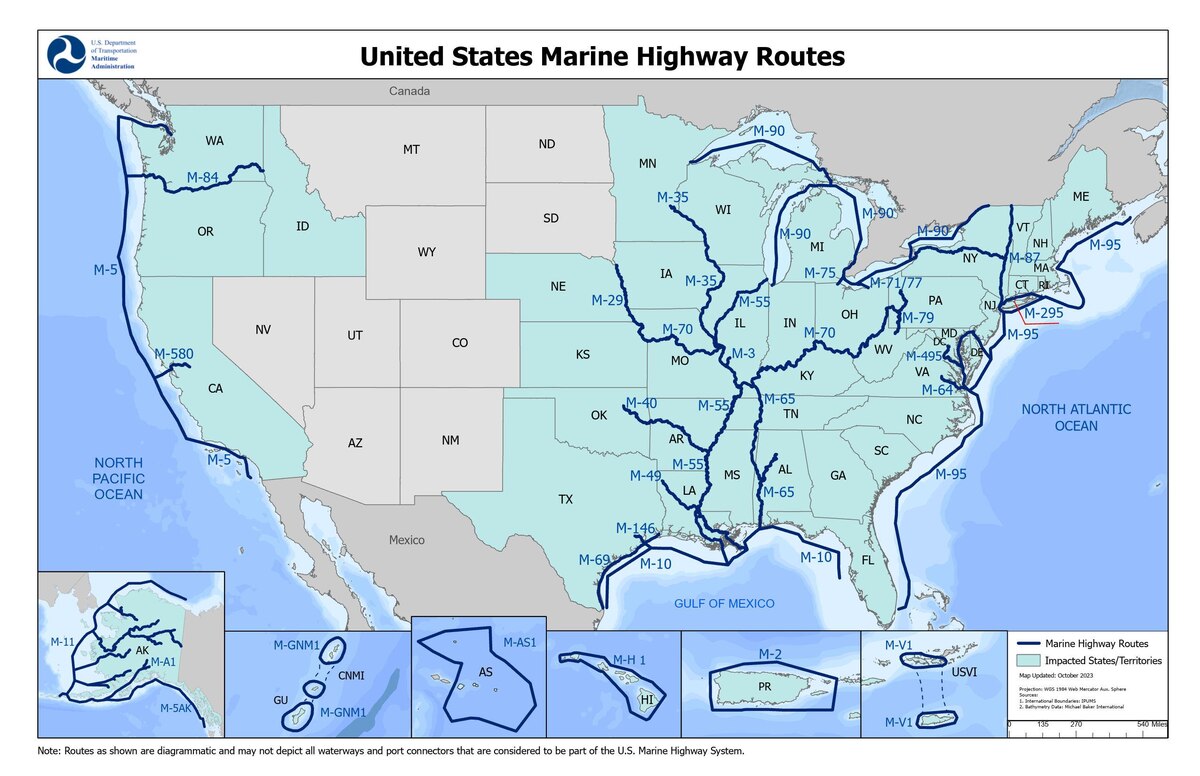
The plant will be constructed at the industrial park at Tulsa Port of Inola, located on the McClellan-Kerr Arkansas River Navigation System, which connects to the Mississippi River system, providing efficient bulk freight movement.
Once construction is completed, the Inola plant will be the largest ever primary aluminum production plant in the United States.
The plant is expected to drive forward the development of an aluminum-focused industrial hub in the state, which would result in thousands of additional jobs, Century stated.
Under the deal, EGA, the world’s largest “premium aluminum” producer, will own 60 percent of the joint venture, and Century will hold the remaining 40 percent. The plant will use EGA’s “state-of-the-art” EX technology, its next-generation aluminum smelting technology.
Jesse Gary, CEO of Century Aluminum, said that key industries such as aerospace, automotive, construction, and national defense stand to benefit “greatly” from the venture.
“Our partner EGA brings world-class smelting technology and construction expertise that are fast-tracking our collective efforts to realize President Trump’s vision of rapidly increasing domestic primary aluminum production,” he said.
“We are once again proving that President Trump’s leadership is working to spur investment and innovation to revitalize the U.S. aluminum industry, which is essential to our nation’s defense and the economic vitality of working-class communities across the country.”
Published at The Epoch Times by Naveen Athrappully, Jan. 27, 2026. Reprinted here for educational purposes only. May not be reproduced on other websites without permission.
Questions
1. The first paragraph of a news article should answer the questions who, what, where and when. (In this article, only the who and what are in the 1st paragraph). List the who, what, where and when of this news story. (NOTE: The remainder of a news article provides details on the why and/or how.)
2. a) What is the difference between Primary aluminum production and secondary aluminum production?
b) Define smelting and alumina as used in paragraph 2.
3. a) How much will this new plant add to aluminum production in the U.S.?
b) How many jobs will it create?
4. a) What percent of aluminum used by American industries is currently imported?
b) How will the new smelter benefit the U.S., according to a statement by Century?
5. What country is the largest producer of primary aluminum? – How much did it produce in 2025?
6. What industries did Century Aluminum CEO Jesse Gary say will benefit greatly from the new aluminum plant being built in Oklahoma?
7. What was Mr. Gary’s response in the video to the question “Did Trump’s tariffs help accelerate your plans?”
8. An April 2, 2025 Executive Order on tariffs signed by President Trump noted that not producing essential goods for the public and the military in the U.S. threatens our national security. The belief is that we must end our dependence on foreign countries, especially China.
The president’s order noted:
- Increased reliance on foreign producers for goods has left the U.S. supply chain vulnerable to geopolitical disruption and supply shocks.
- This vulnerability was exposed during the COVID-19 pandemic, and later with Houthi attacks on Middle East shipping.
President Trump has said one of the goals for imposing tariffs on certain industries is to encourage them to return production to the U.S. His tariffs aim to force companies to return manufacturing to the U.S., boost domestic production, and reduce trade deficits.
While many supported President Trump’s tariffs, many also strongly opposed them, saying they would only be harmful.
Ask a parent: do you support the president’s efforts to bring production of essential goods back to the U.S. through the implementation of tariffs? Please explain your answer.
Background
In 1960, the United States produced 1,827,000 metric tonnes of primary aluminum.
During the 1950s and 1960s, domestic primary production accounted for approximately 80% of the total aluminum consumed in the country.
This period represented a high point in US self-reliance, before a significant decline in domestic production in later decades.
While imports existed, the US was largely self-sufficient in primary aluminum during this era compared to modern reliance on imports.
The 1960s was a period where primary smelting made up the vast majority of output, before the major shift to secondary (recycled) production.
- Read Century Aluminum’s Jan. 26 Press Release.
- Read President Trump’s April 2, 2025 Executive Order on tariffs.
Resources
Watch a January 27, 2026 interview with the CEO of Century Aluminum:
The U.S. Marine Highway System – from the Maritime Administration, June 2025:
How aluminum foil is made (from YouTube, Factora, July 2023):
From “How It’s Made,” a documentary television series that premiered on January 6, 2001:
March 15, 2025 interview on the new aluminum and steel tariffs:
Daily “Answers” emails are provided for Daily News Articles, Tuesday’s World Events and Friday’s News Quiz.