
If Iran war erupts, Israel may be plotting another ‘Operation Grim Beeper’ style attack
News Stories — Posted on November 3, 2026
(by David Spector, NY Post)- The Iran War may kick into high gear after the midterms, as a third aircraft carrier is headed to the region and President Trump has warned all hell could break loose.
The USS Theodore Roosevelt, a Nimitz-class aircraft carrier, was making its way to the Middle East – joining two other carrier task forces in the region, the USS George Washington and the USS George W. Bush.
President Trump told Kansas City radio station KCMO Friday that the war is “going to get wrapped up soon” – without specifying how. …
If war does erupt after the midterms, four military hard-liners ruling Iran could soon find targets on their backs — and explosives in their pockets.
Former Mossad* Deputy Head of Global Operations Oded Ailam told The Post that a dramatic, “Operation Grim Beeper”-style attack to wipe out the junta’s leadership remains fully on the table. (*Israel’s Mossad is similar to the U.S.’ CIA)
“This is the bread and butter of Israeli strategy, is surprise twists and turns, unexpected moves and I’m absolutely certain that Israel has cards in the sleeve that will be used,” Ailam told The Post.
On Sept. 17-18, 2024, Israel detonated thousands of explosive-rigged pagers and walkie-talkies belonging to Hezbollah terrorists across Lebanon and Syria in a covert operation that killed dozens, injured thousands and severely weakened the terror group.
Iran’s political leadership, comprised of President Masoud Pezeshkian, Foreign Minister Abbas Araghchi, and Parliament Speaker Mohammad Ghalibaf, along with newly-installed Ayatollah Mojtaba Khamenei are mere figureheads, and the country is actually ruled by a military quadrumvirate, according to Ailam.
“The president and foreign minister can’t make decisions. [The military junta] hides behind Mojtaba, but he’s not in charge; he’s a complete puppet,” Ailam said.
The four leaders are:
- Islamic Revolutionary Guard Corps (IRGC) Commander-in-Chief Ahmad Vahidi,
- Basij forces commander Hossein Taeb
- Iranian Army Chief of Staff Ali Abdollahi, and
- Secretary of Supreme National Security Mohsen Rezaei.
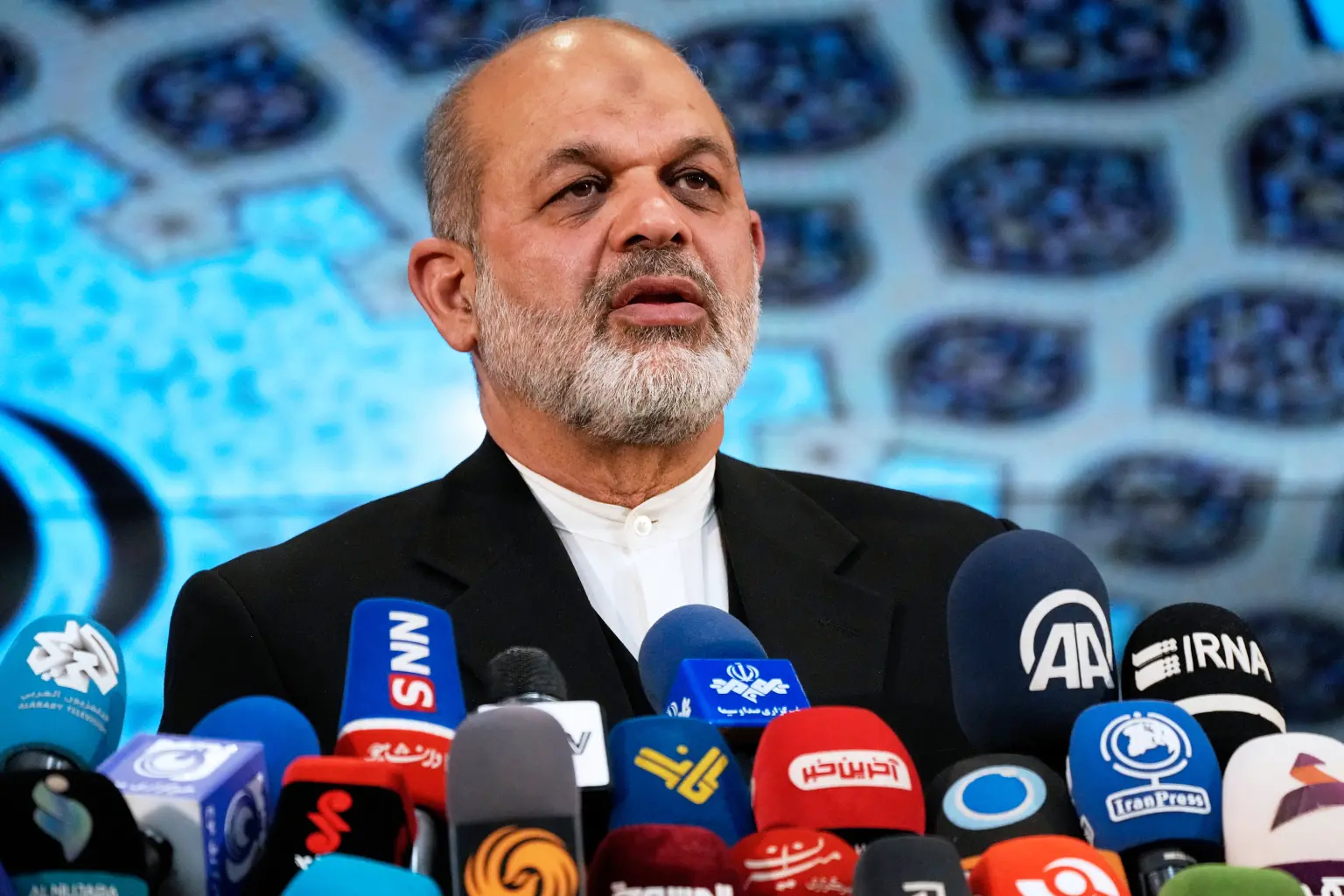
Islamic Revolutionary Guard Corps (IRGC) Commander-in-Chief Ahmad Vahidi (Photo: AP/Vahid Salemi)
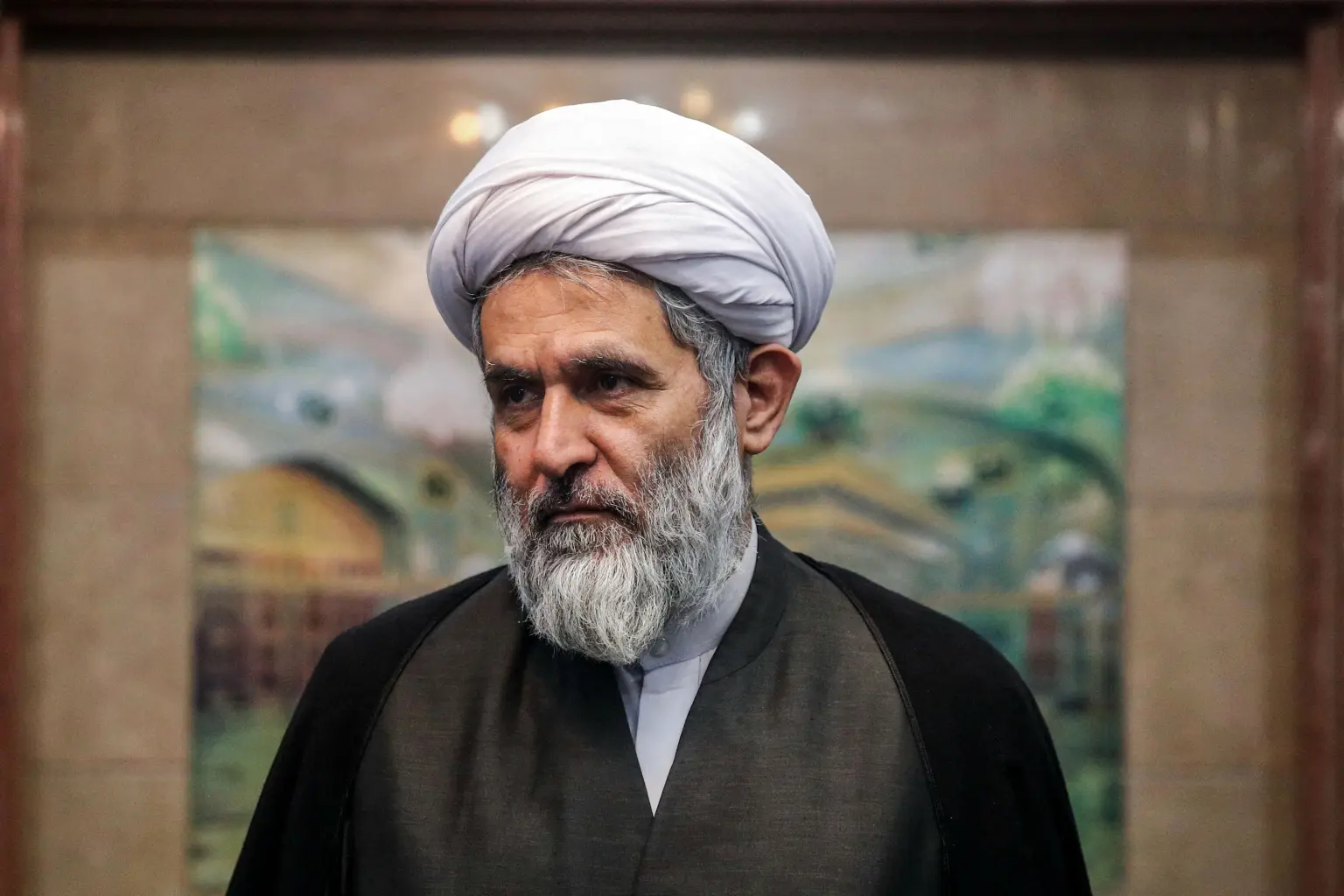
Hossein Taeb now leads the Basij forces which lead the slaughter of tens of thousands of Iranian protesters in January. (TASNIM NEWS/AFP via Getty Images)
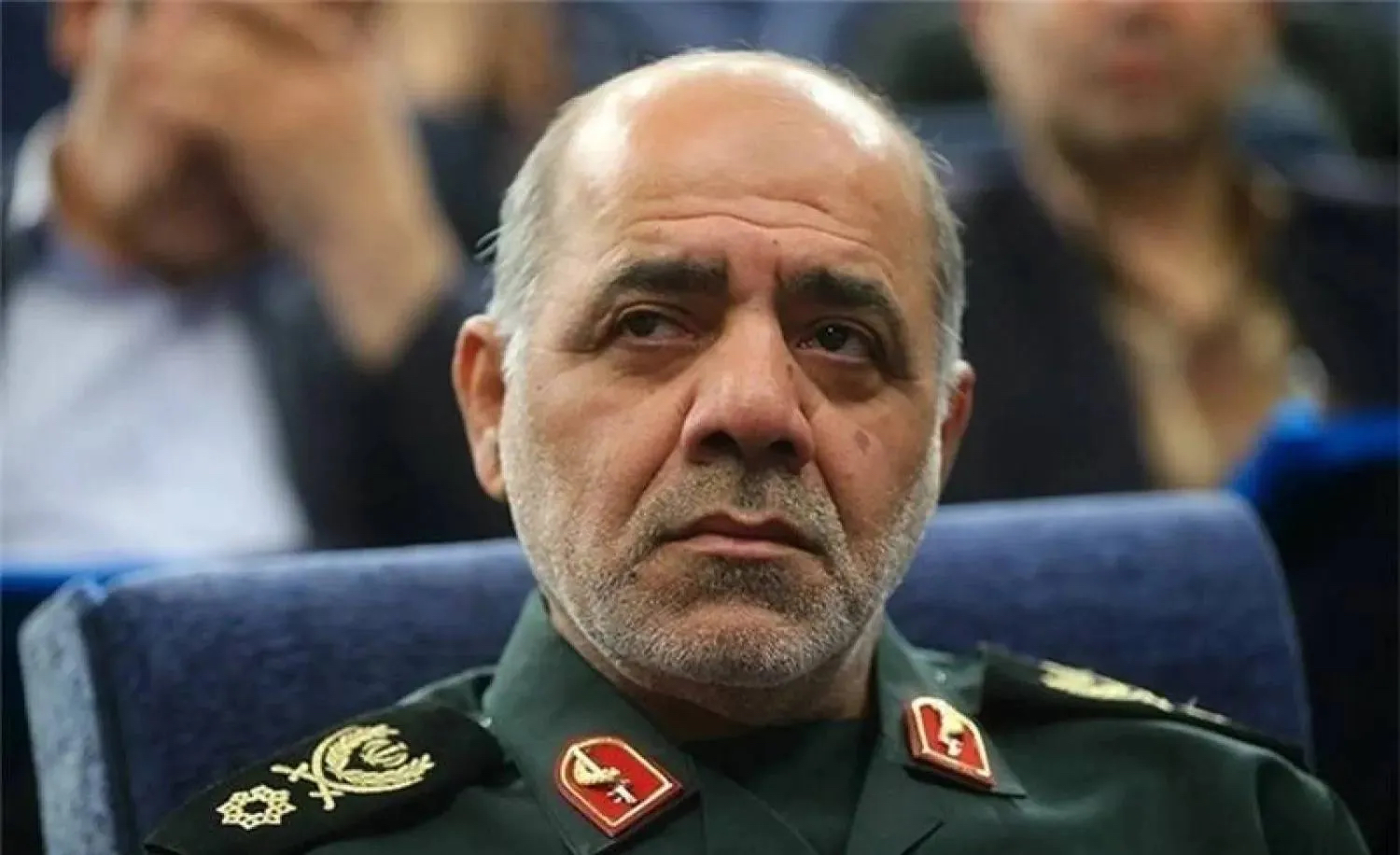
Ali Abdollahi, Iran’s military chief
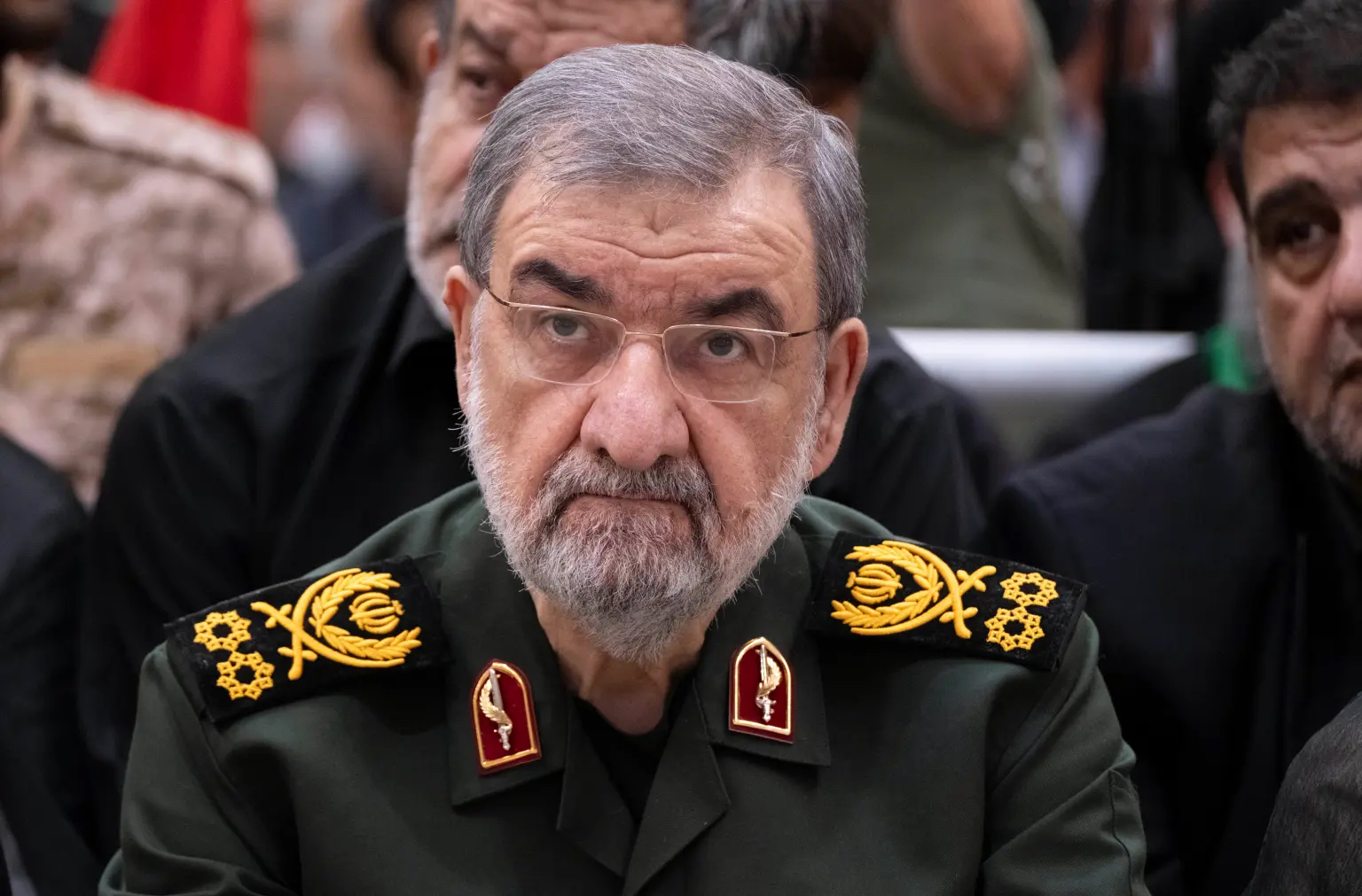
Mohsen Rezaei is part of the military junta currently ruling Iran. (NurPhoto via Getty Images)
While the four leaders are expecting to be targeted should strikes resume and are likely taking intense precautions to protect themselves from US-Israeli airstrikes, the Jewish State has been plotting surprise attacks against Iran for years, Ailam said.
“Israel will use its imagination, its intelligence and the ability of the Israelis to surprise and turn the table in ways you can not anticipate,” he said.
Vahidi, Rezaei and Taeb are all responsible for the brutal massacre that saw as many as 75,000 Iranian protesters slaughtered during uprisings in January.
The conventional Iranian Army was not involved in attacks against Iranians, sources said.
The four leaders have long thwarted the political leadership’s attempts to strike a deal with the US, believing that closing the Strait of Hormuz gave Iran the upper hand and that Trump would soon buckle under pressure, Ailam said.
“In February, Iranians breached their own agreement. Araghchi was caught by surprise — he didn’t understand the logic in breaching the agreement they reached,” Ailam said.
The IRGC reportedly rankled the Iranian foreign minister in February when they announced that they were re-closing the Strait of Hormuz after Araghchi announced it was reopening as part of a deal with the US.
Even among the military junta, cracks are emerging as economic sanctions and a military blockade imposed by the US continue to wreak economic havoc on the regime.
“They’re not on the same page themselves, we see a lot of friction within the regime, different approaches, agreeing then reneging,” Ailam said.
Vice President Vance recently sent a letter to Rezaei in an attempt to restart negotiations between the US and Iran, but the regime has yet to respond.
Retired US General Jack Keane said that US and Israeli strikes should target leadership, along with destroying the nuclear enterprise, domestic energy infrastructure and ballistic missile and drone facilities.
“The intelligence we have now as a result of six months of collection during the on-again, off-again ceasefire is significant,” Keane said.
If Israel is able to deliver on a strategic surprise that wipes out Iran’s remaining leadership, the psychological effect it could have on the regime could be even more devastating than a ground invasion, Ailam said.
“The effect is enormous, especially on the psychology of the enemy. Imagine after the attack there’s a conversation somewhere in a bunker with the top echelons of Iran and everybody’s looking to the left and to the right and thinking the guy next to him is a spy,” Ailam said. …..
Published at NY Post on Oct. 31. Excerpts reprinted here for educational purposes only. May not be reproduced on other websites without permission.
Questions
1. a) What did President Trump say about the Iran War during an interview on Friday?
b) The reporter noted that the president did not give specifics of how we will end the war. Do you think he should have done so? Explain your answer.
2. For what purposes is a Nimitz carrier used? (What are the primary capabilities of a Nimitz carrier?)
3. a) Name the political leaders of Iran.
b) Define figurehead as used in para. 9.
4. a) Define military junta and military quadrumivrate as used in the article.
b) Who is actually ruling Iran?
5. a) What is the difference between the role of Iran's IRGC and Iran's conventional army?
b) What are the Basij forces?
6. According to former Mossad official Oded Ailam, what role did three of the four military leaders play in the January crackdown on Iranian protesters?
7. Why have the four leaders that make up the quadrumivrate continuously blocked the 4 top political leaders from making a peace deal with the U.S.?
8. What is causing divisions or “cracks” within Iran’s military junta? What does Mr. Ailam note about the leaders?
9. What does Oded Ailam argue would be a major psychological effect of a successful surprise attack that eliminates Iran’s top military leadership?
10. Retired US General Jack Keane noted: “The intelligence we have now as a result of six months of collection during the on-again, off-again ceasefire is significant.” What targets did he suggest that US and Israeli should now strike?
11. Democratic Presidents Bill Clinton, Barack Obama, Joe Biden, and Democratic opponent of Trump in 2016 Hillary Clinton all publicly and repeatedly stated that the United States would not allow Iran to acquire nuclear weapons, although they believed negotiations, not military strikes, would work to stop Iran's quest for nukes. While agreeing, congressional Democratic leaders today criticize Trump for launching strikes without congressional authorization and what they say will be a prolonged conflict. Democrats in congress have attempted to block him from completing the mission militarily.
Progressives/socialists (Bernie Sanders, Alexandria Ocasio-Cortez, and others) have been more absolute in their opposition, calling the strikes unconstitutional, grounds for impeachment in some cases, and an unnecessary war.
President Trump has emphasized that temporary agreements and reluctance to use force are strategic failures that left Iran closer to a bomb; maximum pressure and targeted military action are presented as the realistic alternative.
Ask a parent: what do you think? Should Trump "finish the job" in Iran, or should he be blocked by any further military force in Iran, and instead continue negotiating an agreement with Iran to promise to end their quest for nuclear weapons, as well as to end their training and funding for terrorist groups around the world?
Background
Hardliner hit list
US and Israeli forces could target these four Iranian leaders.
- Commander-in-Chief of the Islamic Revolutionary Guard Corps Ahmad Vahidi, whose troops are responsible for the horrendous massacre of as many as 75,000 protesters during anti-regime demonstrations in January. Vahidi is sanctioned by the US and EU for his role in global terrorism and for his pursuit of a nuclear weapon.
- Basij Forces Commander Hossein Taeb, whose paramilitary group was also responsible for slaughtering protesters in January, was appointed to by Ayatollah Mujtaba Khamenei with a mandate to expand the Basij’s intelligence-gathering abilities and increase its number of troops to further crackdown on dissent.
- Iranian Armed Forces Chief Ali Abdollahi, sanctioned by the US Treasury and known for his belligerence, he has called America “the big Satan” and threatened that any Gulf Arab country allying with the US would be “engulfed in the flames of war.”
- Secretary of the Supreme National Security Council of Iran Mohsen Rezaei, a founding military leader of the Islamic Republic, has an Interpol Red Notice for his role in the 1994 Buenos Aires Jewish Community Center bombing that killed 85 people.
A carrier task force is not an individual Nimitz-class aircraft carrier; rather, it is the entire operational group of warships, submarines, and aircraft built around a carrier.
This grouping is officially called a Carrier Strike Group (CSG). The Nimitz-class carrier serves as the central command flagship, but it does not operate alone. An active carrier task force or strike group typically includes the following elements to protect the carrier and project power:
- The Flagship: One Nimitz-class (or newer Gerald R. Ford-class) nuclear-powered aircraft carrier.
- The Carrier Air Wing: 60 to 75+ aircraft (strike fighters, electronic warfare jets, early-warning planes, and helicopters) parked on the carrier's flight deck.
- Air Defense: One or two guided-missile cruisers (such as the Ticonderoga class) equipped with dense radar and missile arrays to protect the fleet from incoming airstrikes.
- Multi-Mission Escorts: A squadron of two to four guided-missile destroyers (such as the Arleigh Burke class) used for anti-submarine warfare and land-attack Tomahawk missile strikes.
- Undersea Protection: One or two fast-attack submarines hiding ahead of the surface fleet to hunt for enemy submarines.
- Logistics & Supply: A massive ammunition, food, and fuel supply ship to keep the entire task force operating indefinitely without needing to pull into a port.
NOTE: The U.S. Navy has 11 active aircraft carriers: 10 are Nimitz-class, and 1 (the USS Gerald R. Ford) belongs to the newer Gerald R. Ford class, which is actively replacing the Nimitz-class ships. They look similar on the water and both carry roughly 60 to 75+ aircraft, but the underlying technology represents a massive generational leap. (from a Google AI Overview query, Nov. 2)